
Driving in India
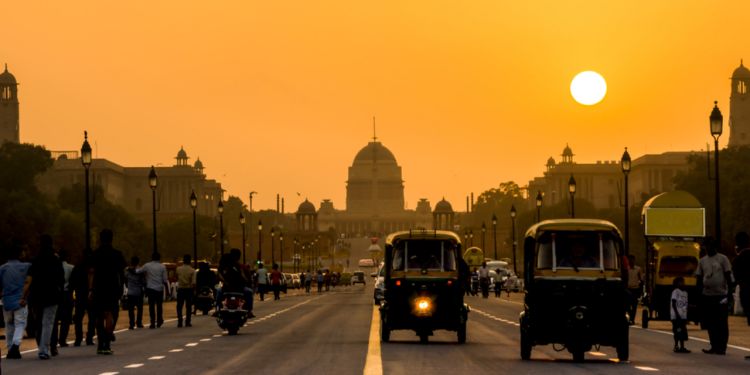
Before you decide to drive in India, prepare yourself mentally to be able to deal with the chaotic traffic condition on roads. Unfortunately, many drivers do not hesitate to flout the traffic rules, which leads to disorder and mismanaged traffic. Moreover, the roads are overloaded with all kinds of vehicles such as buses, trucks, motorcycles, and cars. Hence, driving in India is not easy, caution is highly advised if you still need to drive in the country.
Road infrastructure in India
While the quality of most of the roads in major cities of the country is fine, the maintenance is poor. The traffic does not move in an orderly manner. Over-speeding, overtaking from the wrong side, ignoring traffic signals and using inappropriate vehicles (with no lights, no mirror, etc.) are common sights. All these lead to traffic snarls and the slow movement of vehicles, especially during peak hours.
Driving in India needs a lot more patience and mental presence. Sometimes it is really difficult to anticipate the driver's reaction. So, consider all the factors before you take the driving seat. Initially, it might seem like a daunting task, but with time and experience, you will learn to deal with previously unexpected situations.
If you plan to stay in India for a few days or weeks, then renting a car is a more feasible option. You may rent a car with a chauffeur. This will help you to travel around more safely. In fact, many expatriates prefer to hire a driver. If you still need to drive, the international driving licence is recognised in India. However, if you are here for a longer stay with a long-stay visa, you will have to apply for an Indian driving licence.
To drive any motor vehicle in India, you must have an Indian or an international driving license. The minimum age for driving is 16 for motorcycles of 50cc or less and 18 for all other vehicles.
Good to know:
The driving in India is done on the left side of the road, with the steering wheel on the right of the car.
Applying for driving licence in India
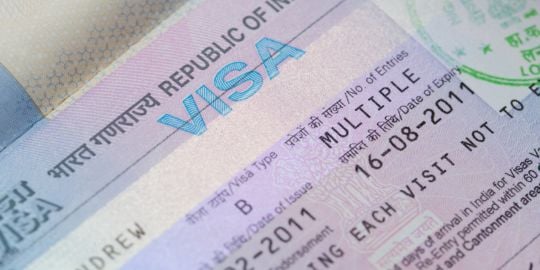
International driver's licence is valid for one year. To obtain the international driver's licence from the Regional Transport Office RTO, you must present a proof of address, a birth certificate, a valid passport, valid visa and your driving licence from home.
If you plan to stay longer than a year, you will have to apply for an Indian driving licence and join a driving school. You can also apply for a driver's licence at your nearest local RTO. Generally, it is the driving school that handles all the paperwork for which they may charge a small fee.
For the driving licence application you will have to submit the following documents:
- A duly filled application form
- A copy of your residence permit
- Medical fitness form certified by a physician ensuring there are no medical problems that may interfere with your driving
- Proof of your address
- Passport-size photographs
Once all your documents are verified and you have completed your driving classes you will be issued a learner's licence, which is a probationary driving licence valid for three months. A permanent driving licence will be issued only after the completion of three months of learner's licence and it will be valid till your residence permit expires.
Good to know:
New smart card driving licences are now being issued in major Indian cities, including Maharashtra. These are 4KB memory chips that will contain all the information of the driver along with the photo and signature. It also has a unique grading system that will keep a record of all the offences committed, if any.
Useful links:
Government of India - Transports Department
Driver's license in India - General information