

Studying in Ireland
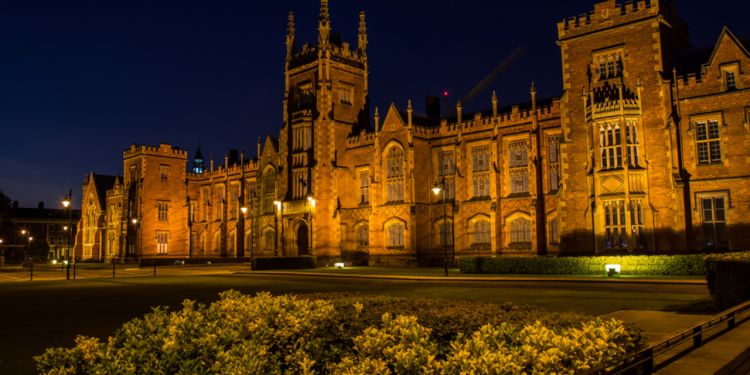
There are a number of universities currently in Ireland. They provide the country with skilled workers when they graduate. The third level education system for locals has minimal costs for the most part. However, there will be restrictions and fees in place for expatriates looking to attend one of these universities.
The different universities in Ireland
There are eight universities currently in Ireland. Of these, four are in Dublin. These universities are Dublin City University (DCU), Maynooth University, University College Cork (UCC), University College Dublin (UCD), Technological University Dublin (TUD), University of Limerick (UL) and Trinity College. Each of these universities has a unique background and its specialities.
Conditions to be met to study in Ireland
For natives in Ireland, there is a grading system based on a set of final exams at the end of secondary-level education that determines which university courses they can pursue. They need to get enough points to gain entry into the course of their choice. Certain nations will have standard exams that you can translate the results into CAO points in order to use the same system.
For mature students, you will usually have to apply to the respective universities directly. For those going down the CAO route, you can go to their website and pay the fee and submit your application. For graduate and postgraduate students, you will need to directly apply to the universities also. There is an Erasmus initiative in place for those European Union citizens.
While EU students can study in Ireland without getting a visa, that is not the case for non-EU nationals. A student visa will be needed, the type of which depends on how long you are planning to stay in Ireland for. International students, as part of their visa, can work as much as 20 hours each week in the form of casual employment in order to support themselves.
Tuition fees in Ireland
The tuition fees for universities in Ireland will vary depending on many different factors. The fees you pay will largely come down to if you are an EU citizen or not and if you are an undergraduate, or graduate student, as well as what your field of study may be. For EU citizens doing an undergrad, almost all of your fees may be paid by the Higher Education Authority if you meet the right criteria.
For those students outside of the EU, it could cost them from EUR10,000 up to EUR52,000 for an undergraduate degree. For graduate and postgraduate options, the fees will generally be the same for EU and non-EU citizens. This could range anywhere from EUR4,000 up to EUR30,000. Certain universities will have scholarship options for non-Irish students.